

Websites fail to load through mobile proxies because the Maximum Transmission Unit (MTU) of mobile operators is lower than the standard 1500 bytes. When large packets hit this limit without proper...
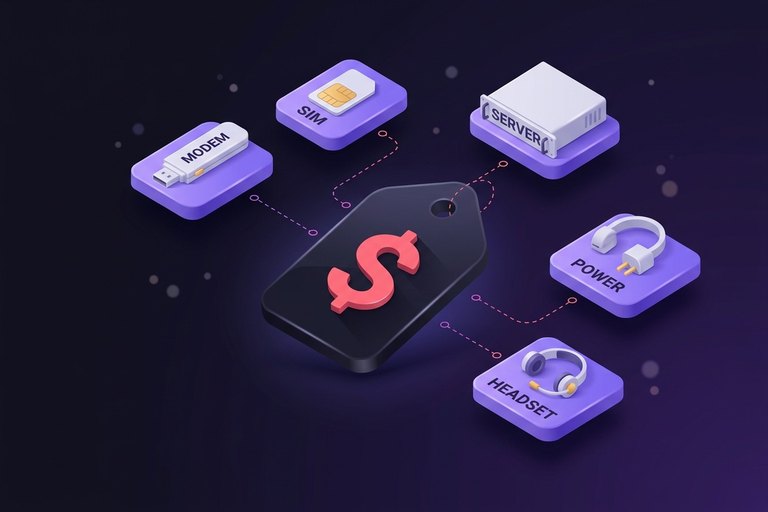
The cost of mobile 4G/LTE proxies in 2026 ranges from $25 for a shared Ukrainian port to $70 for a private Latvian connection per month. You pay for real hardware, cellular data from live operators...
You can test mobile proxy quality by checking its IP type, ASN, DNS leaks, and rotation mechanics during a trial. This process takes 15 minutes and reveals whether you are buying a genuine cellular...
Choosing a mobile proxy provider comes down to verifying their hardware setup, connection protocols, IP rotation methods, and power infrastructure. You need to confirm they use real USB modems with...
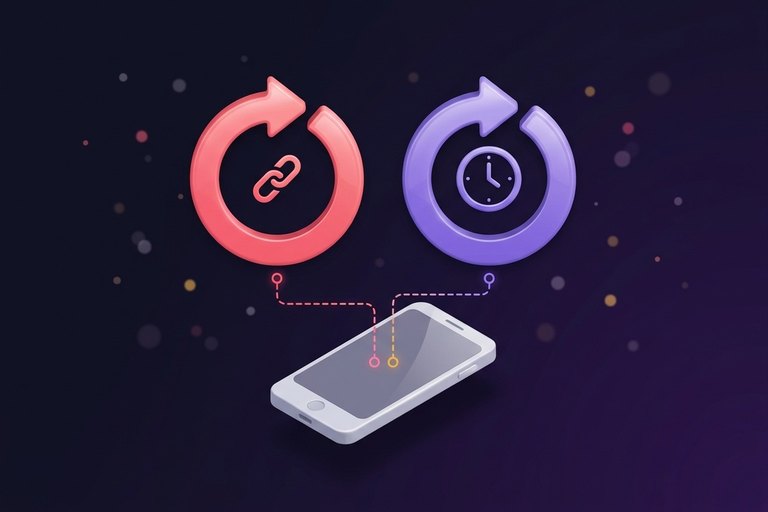
Choosing between IP rotation by link and timer depends entirely on your task’s session control needs. Rotation by link provides manual control to change the IP exactly when a task finishes...
Renewing your mobile proxy in advance is the only way to keep the exact same port and physical modem connection. If you wait until the lease expires completely, the system will reassign your slot to...
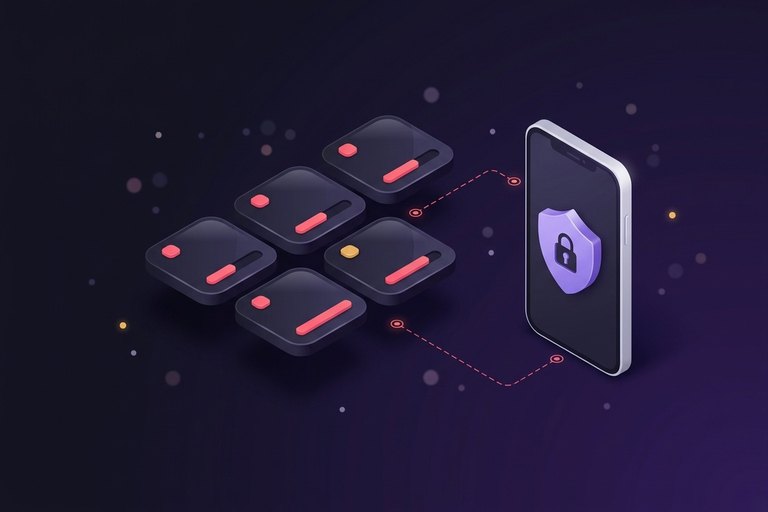
Warming up a Facebook account requires a strict network setup where one account is tied to one anti-detect profile and one mobile proxy port. You must emulate a real user daily routine, gradually...
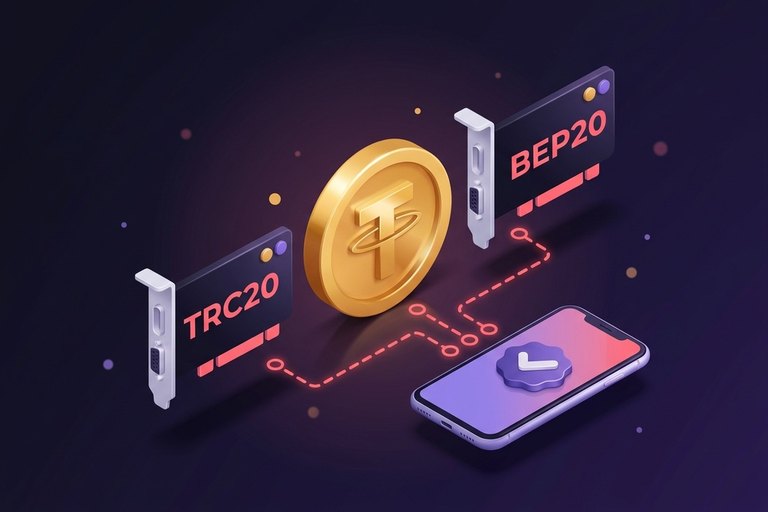
ProxyZeus accepts payments exclusively in USDT on the TRC20 and BEP20 networks. This stablecoin ensures instant global transactions without bank card blocks or geographical restrictions. The system...
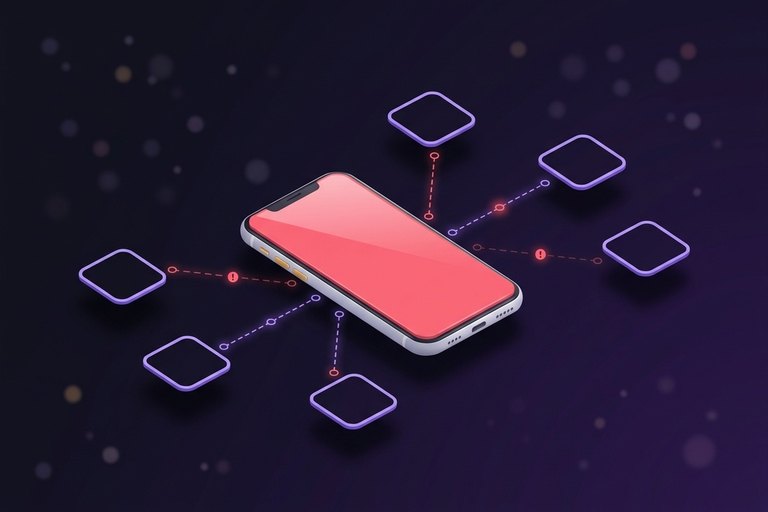
There is no hard limit on how many accounts you can run on a single mobile proxy. The realistic number ranges from three to five simultaneous sessions or ten to twenty handled sequentially. This...