
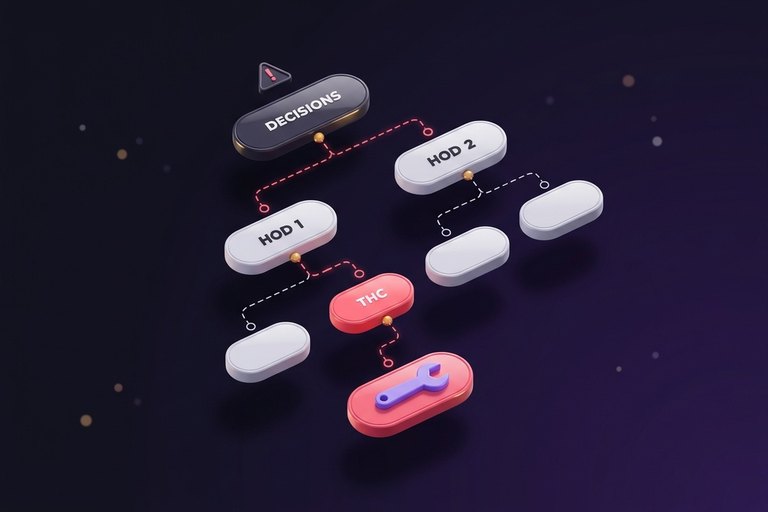
If your proxy stops working, immediately check its expiration date, verify connection credentials, and test it from another device. Most connection drops are caused by simple typos in the port setup...
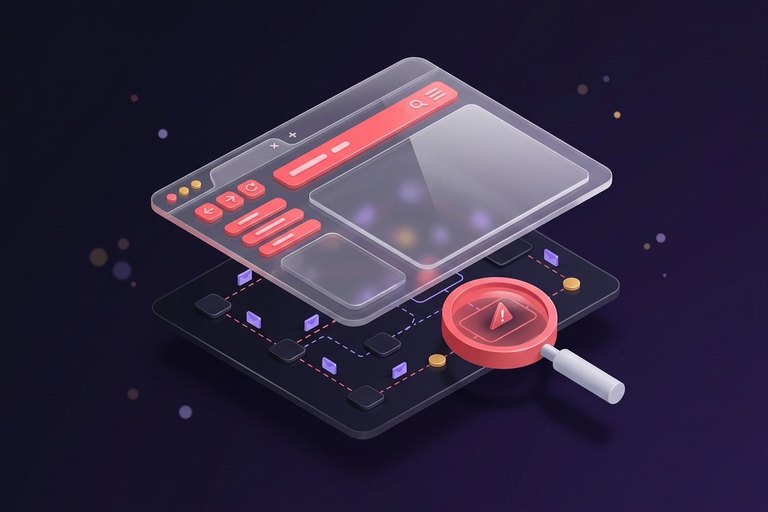
Antidetect browsers only manipulate the application layer by spoofing JavaScript data, leaving the network layer completely exposed. If your IP address and TCP stack reveal a server environment...
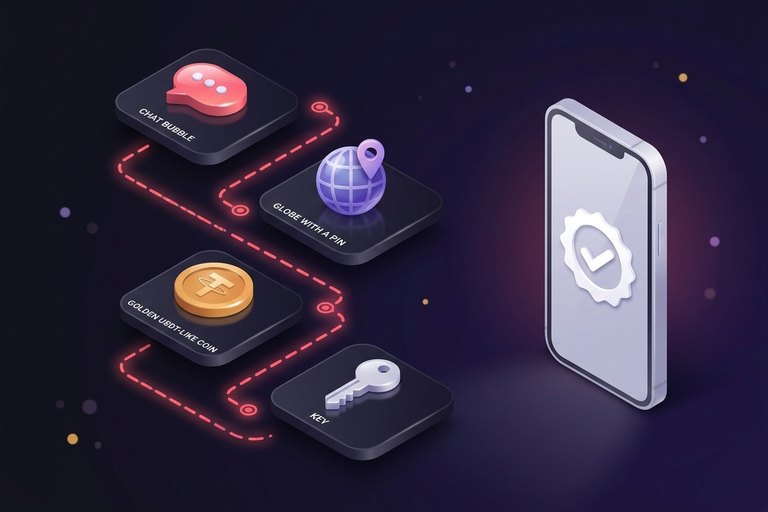
To buy a mobile proxy in two minutes, you need to open the Telegram bot, select your desired country and carrier, pick a billing period, and pay with USDT via TRC20 or BEP20. The system issues the...
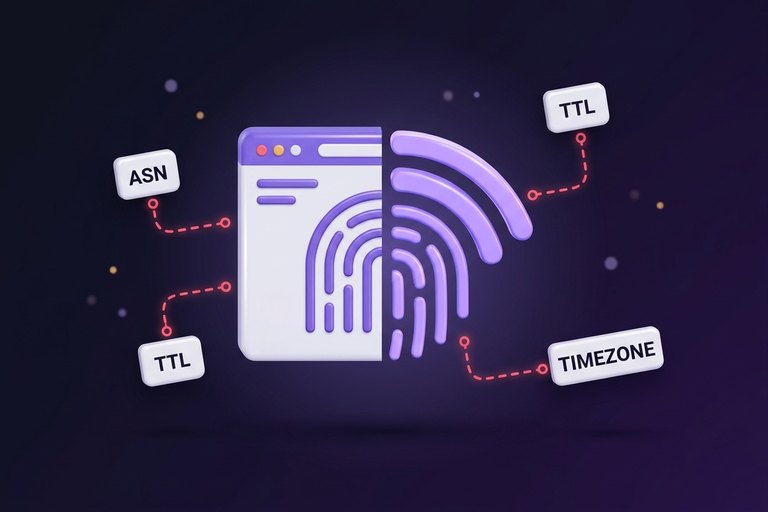
Connecting a proxy in GoLogin requires pasting credentials, but the main task is aligning your browser fingerprint with the network identity. If you run a mobile profile via a server connection...
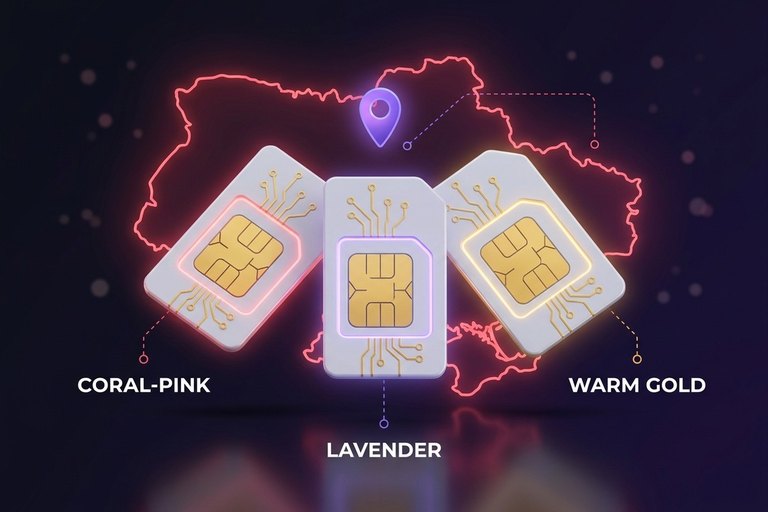
The primary difference between Kyivstar, Vodafone, and lifecell lies in their NAT mechanics, subnet allocation, and platform trust levels. Kyivstar offers the largest dynamic pool, Vodafone provides...
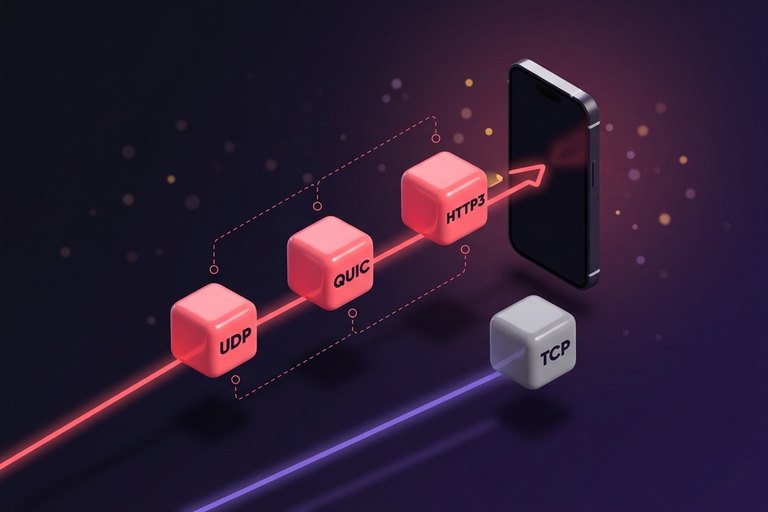
UDP, QUIC, and HTTP/3 support in proxies is critical today because major web platforms default to these protocols, and a proxy lacking UDP forces the browser to unnaturally fall back to TCP. This...
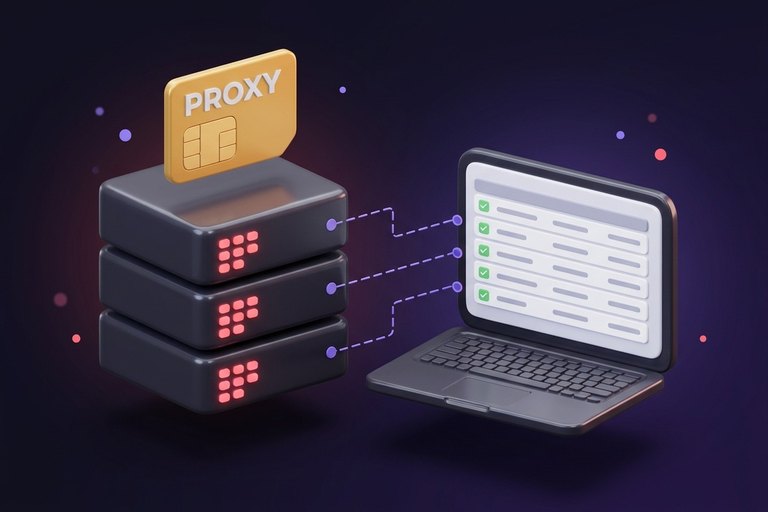
Setting up mobile proxies in AdsPower involves adding IP credentials manually or importing a formatted list to assign connections to separate browser profiles. This standard process ensures each...
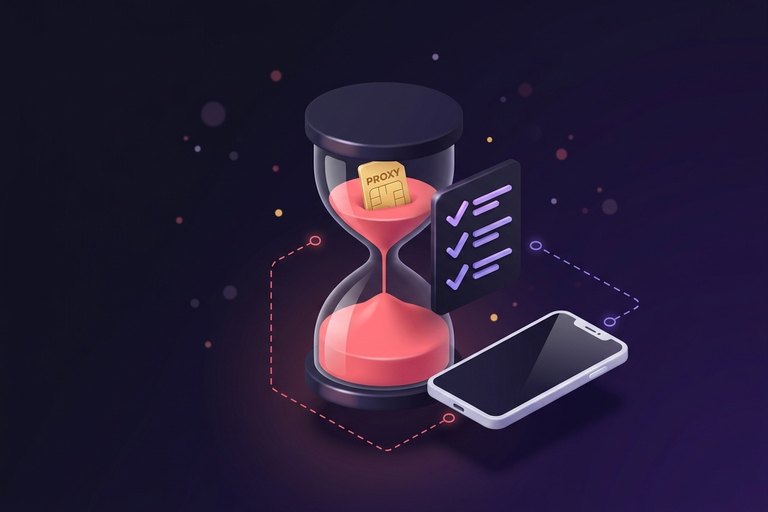
You can get a free two-hour mobile proxy test automatically through our Telegram bot, claiming a random available port in your chosen category. This one-time trial allows you to connect to a real...
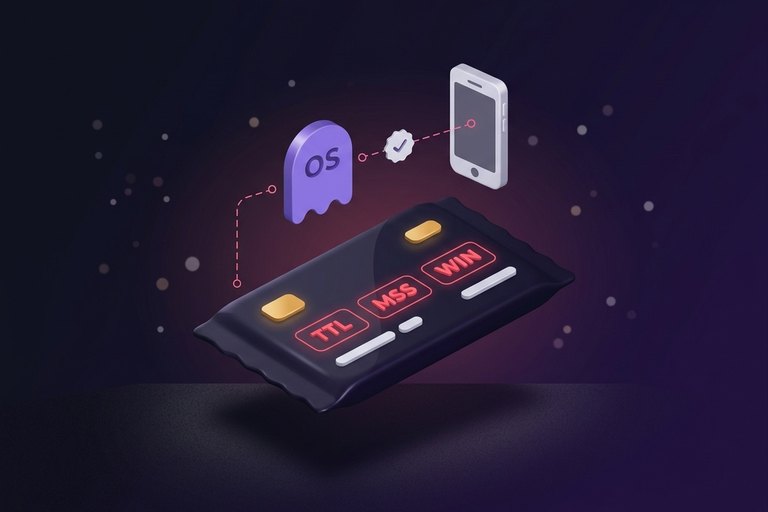
Passive OS Fingerprinting (p0f) is a method where a server determines your operating system by silently analyzing TCP parameters like initial window size, MSS, and TTL. It compares this actual network...